
There’s never been a better time to be an independent artist, but how artists can leverage that power — and what “independent” even means today — is more complex than ever.
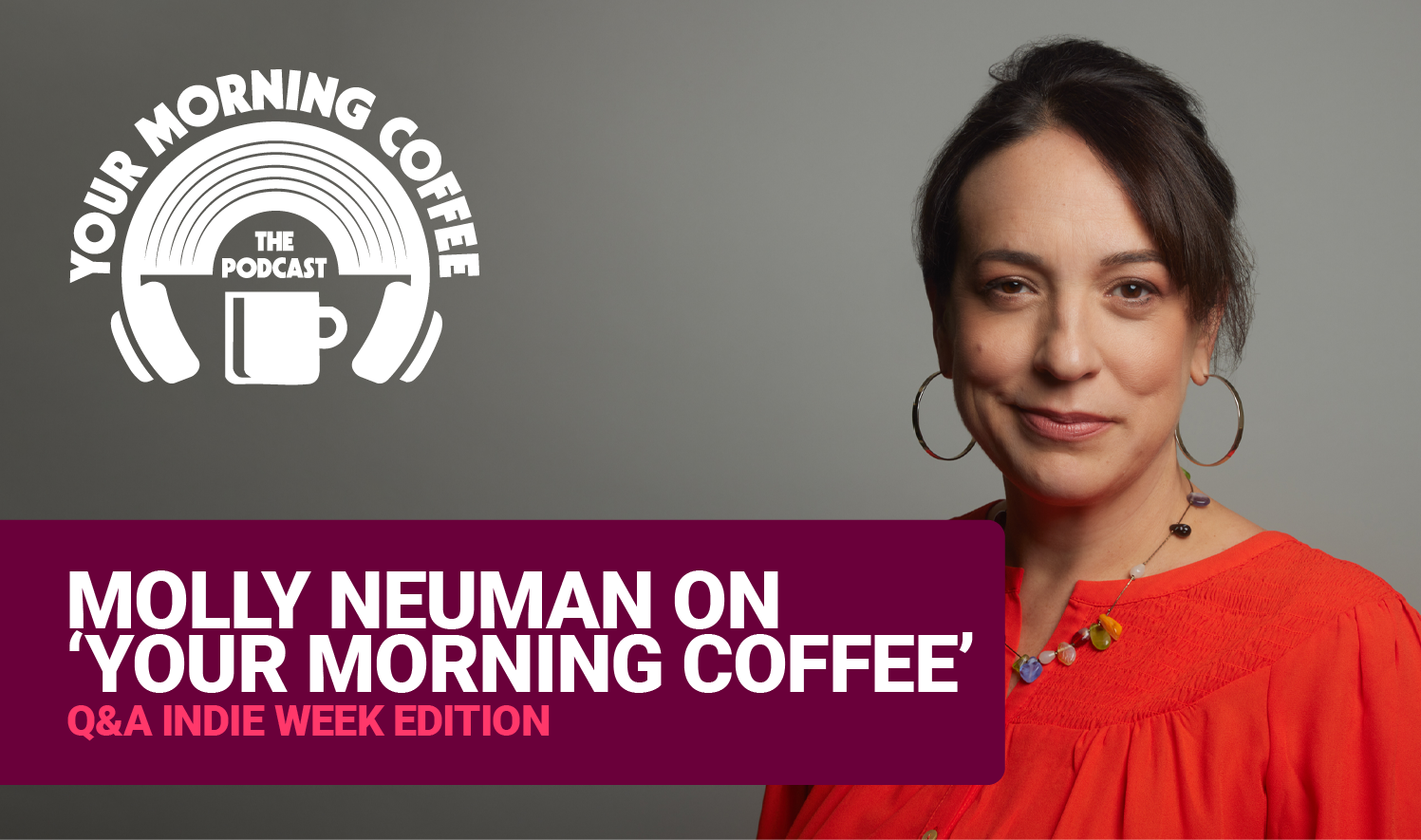
This month, the CD Baby team attended the American Association of Independent Music’s (A2IM) Indie Week — the world’s largest conference and networking event dedicated to independent music. During the week, our president Molly Neuman joined Jay Gilbert of the Your Morning Coffee podcast to discuss her outlook on artist independence in 2026.
Here’s what Molly had to say.
The transcript below has been edited for brevity and clarity. You can listen to the full podcast at Your Morning Coffee.
Jay: The word independent used to mean something specific — no major label involvement. Today, artists on major distributed deals call themselves indie. Does the word still have a meaning in 2026?
Molly: Absolutely. Independence is still a powerful term. But the nuance of what it means to be an independent artist is complicated, and people twist themselves up trying to treat it like a binary, which I don’t think it is.
Jay: CD Baby has processed billions of dollars in royalties. What does the data tell you about what actually separates artists who build sustainable careers from those who don’t?
Molly: It’s hard to know that there are any specific indicators or characteristics, but there are a lot of people who have not one stream on Spotify — and obviously that is reflective of a lot of dynamics in the industry — there’s a lot of music that nobody is listening to. But that’s why we’re focusing on artists who want to be serious about their career.
Recently, we’ve been advising artists on ways to reach their first 1,000 streams on Spotify. And that entails taking the first steps to activate your community and become eligible for monetizing your music on the platform. We’re focused on helping artists build the core components of a launch pad.
Jay: Where do you think indie artists have the most meaningful leverage?
Molly: For our emerging artists, I think it’s about starting strong. And I don’t think that’s a different outlook from when you and I started our music careers. Artists still need to tap into people that care. And that means A) making music there’s an audience for and B) really trying to connect people to it.
Artists can make that happen in any number of ways — busking on the corner, booking shows, finding other artists you want to play with, or working up to a viral moment. But I don’t think any of that is easy to manufacture and I think that’s maybe where a lot of the wrong energy is focused right now.
Jay: You just touched on the importance of starting with great music that’s authentic. It reminded me of something that Jonathan Daniel once said — “if you give me a great song, my job is easy. If you give me a good song, my job is impossible.” Touch on that a bit more.
Molly: I think most of the businesses in our space, whether it’s distribution platforms, platforms like Bandcamp — even Spotify — we’re all struggling with the fact that there is so much more music than there are fans to listen to it. And now I think we’re complicating that with some of the new issues [like AI slop].
Jay: Not every artist aspires to be a superstar, or even make a living playing music and there’s nothing wrong with that. What about the artists that just want to write, record, and release their art?
Molly: When I started making music, in the earliest days, the commercial prospects were absolutely not there. We had no thought of making money as artists. We wanted to hang out with our friends, play shows with each other, and make up songs, which had an energy to it. At some point, someone was willing to pay $100 or $500 for a show and we started to see some royalties — and that felt surprising, not like the motivation, because we were coming from a specific anti-corporate culture underground.
Now, looking at the industry, we have some really talented kids who might go to music business school or become performers or composers and sometimes they seem to want shortcuts to commercial success. There are no real shortcuts.
Want more updates like this?
At CD Baby, our mission is to be a dependable source of information for independent artists everywhere. Get actionable tips, industry analysis, educational resources, and expert interviews like this one delivered straight to your inbox when you create a free CD Baby account. You’ll be joining a community of over two million independent artists worldwide.