
If you’ve released your music onto streaming platforms with a distributor like CD Baby, you’re already earning recording royalties every time someone plays your track. But streaming isn’t the only way your music generates income.
What happens when a fan uses your song in a TikTok video? Or when your music plays in a YouTube video?
In those cases, you’re owed micro-sync royalties – income generated when your music is paired with content on “social video” platforms like YouTube, TikTok, and Instagram. These are high-volume, low-fee licenses (fractions of cents in the U.S.) that are often automated to cover the performance and mechanical rights for uses in videos.
How is social media and video monetization different from other ways of making money from music?
In the early days of mass-distributed recorded music, the way artists and songwriters earned money from their work was relatively simple:
- Artists were paid when recordings were sold on physical formats like vinyl or CDs
- Songwriters earned when their compositions were reproduced on those formats, broadcast on the radio, or performed live
If an artist wrote their own songs, they earned double the royalties — as both a songwriter and the artist. That basic structure still exists today, but it’s expanded with the rise of streaming.
Music streaming generates three kinds of royalties predicating on both the sound recording and the composition of a song:
- Recording royalties (for the sound recording, collected by CD Baby)
- Mechanical royalties (for the composition, collected by The Mechanical Licensing Collective – The MLC)
- Performance royalties (for the composition, collected by Performing Rights Organizations – PROs)
As music distribution expanded to include platforms like YouTube and TikTok — where users can add copyrighted music to their visual posts — another layer was added: micro-sync royalties.
Where can I monetize my music?
In this blog post, you’ll learn how to monetize your music and collect the revenue on four major social video platforms: YouTube, Instagram, Facebook, and TikTok.
If you’re a CD Baby artist looking to collect micro-sync royalties from any of these platforms, you’ll need to opt into our Social Video Monetization program – our service that helps independent artists collect royalties from social-video platforms.
A quick note about eligibility: only original songs — without any territory restrictions — are eligible for monetization. Cover songs (even if fully licensed) and public domain songs are not eligible. Learn more about eligibility here.
How to monetize music on YouTube
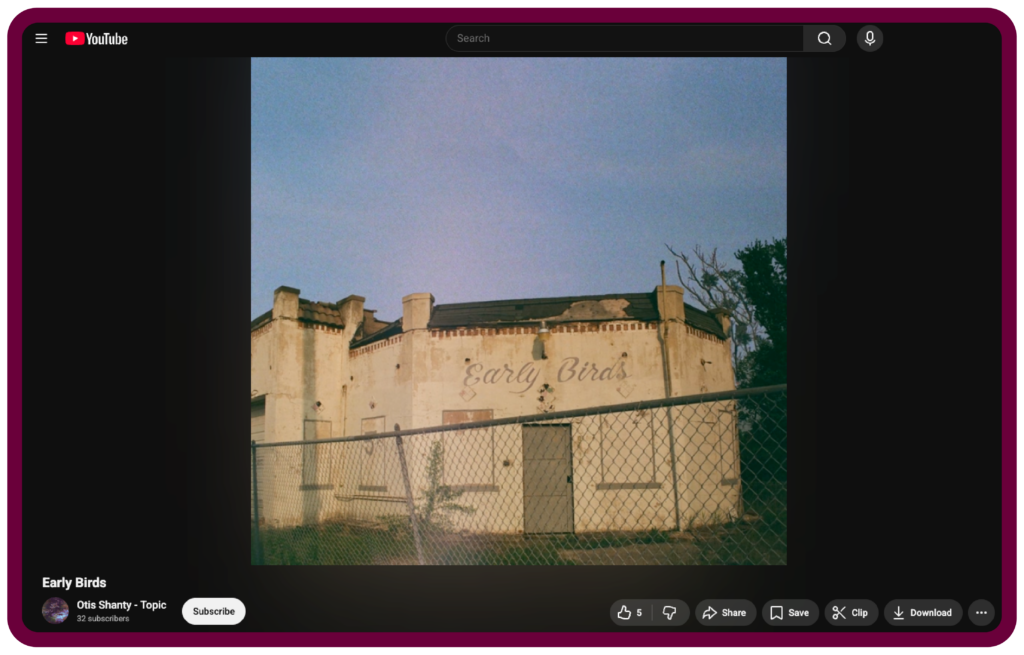
When you distribute your music to YouTube Music, the platform creates “art tracks” – automatically generated videos that pair your audio with static cover art hosted on a dedicated YouTube channel called “[Your Artist Name] – Topic.”
These tracks generate revenue similarly to other streaming platforms — from advertisement views and paid subscribers streaming your tracks. Art tracks generate streaming royalties (sound recording revenue) paid out by CD Baby and publishing royalties (performance paid by PROs and mechanicals by The Mechanical Licensing collective).
But other YouTubers may use your music in their own videos, too. In those cases, you’re entitled to micro-sync royalties. YouTube’s Content ID system detects when your copyrighted audio appears in a video and allows CD Baby to begin collecting ad and subscription revenue from those videos – in the form of micro-sync royalties.
How to monetize music on Facebook and Instagram
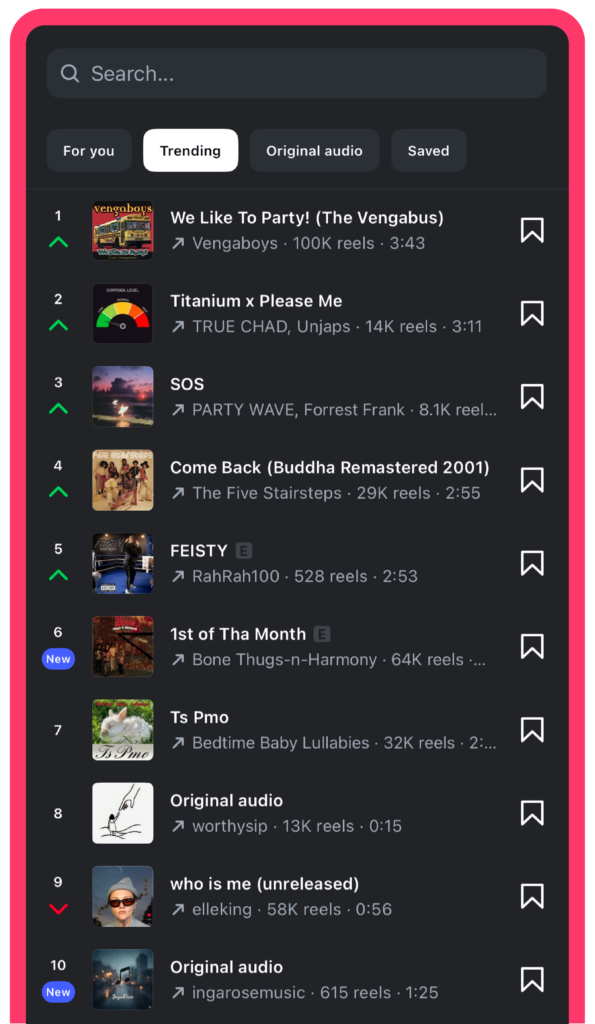
Facebook and Instagram differ from the traditional streaming services. When you distribute your music to Facebook or Instagram, it’s entered into a library for users to add snippets of your tracks to their posts.
Every unique post that contains your track is considered a “production event.” At 100 events, Facebook and Instagram begin reporting usage to CD Baby and issuing payments on a quarterly basis.
In addition to unlocking revenue for artists, song placements can boost discovery. When a user adds your song to their post, viewers can click into the song from the post to view the full track info and even add it directly to their Spotify “Liked Songs.”
How to monetize music on TikTok
While CD Baby can automatically distribute your music to TikTok’s music library, you can use the Social Video Monetization tool to monetize your music on the platform.
Similar to Facebook and Instagram, you’ll earn sync royalty revenue from TikTok videos that use your songs.
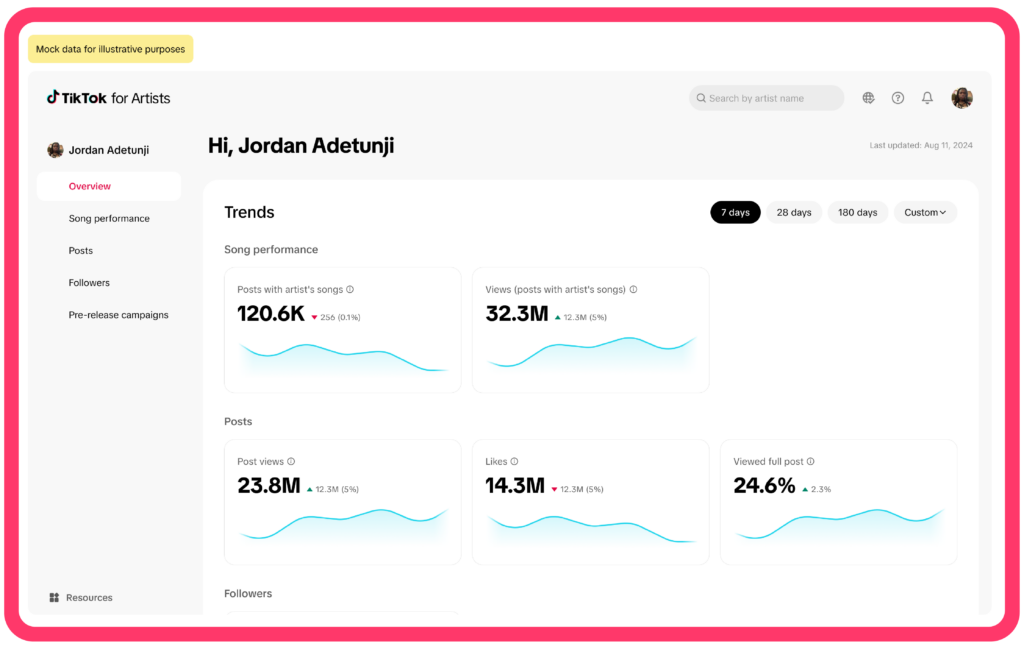
But you can optimize your presence on TikTok for music by applying for a TikTok for Artists profile here. TikTok for Artists gives you access to a range of tools to further customize your profile, promote your music, and analyze fan behavior – allowing you to get more strategic with your releases and earn more from your catalog.
Conclusion
CD Baby’s Social Video Monetization tool bridges the gap between social media exposure and revenue by empowering artists to monetize the use of their tracks across platforms.
It’s just one of many tools CD Baby offers to help independent artists earn more from their music. Create a free CD Baby account today and access distribution to over 150 platforms worldwide – with no annual fees — and be sure to opt into Social Video Monetization for all eligible releases.